
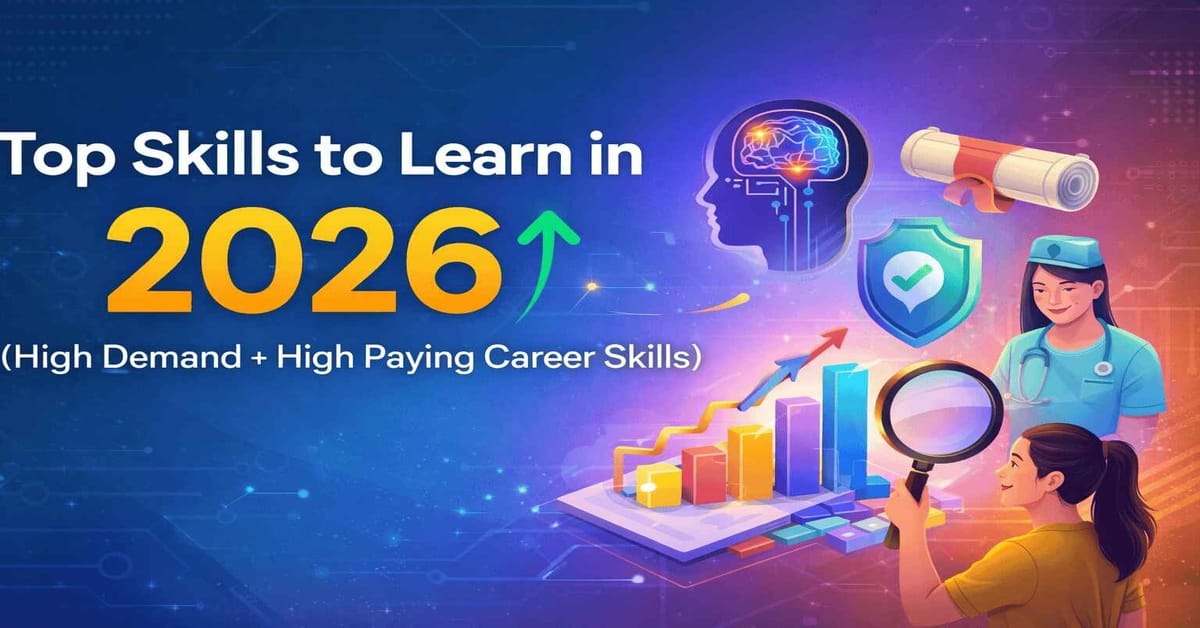
The job market is changing fast.
Every year, new technology comes in, industries evolve, and companies change the way they hire people. That’s why many people are now searching for the top skills to learn in 2026, not just to get a job, but to grow faster in their career.
This is why today, many young people are not only thinking about getting a degree, they are also thinking about learning a skill that can actually get them hired.
Because the truth is simple:
A degree is still useful, but a skill is what makes you employable.
And in many cases, you don’t need a new qualification or a degree upgrade to move ahead. You just need the right skill and proof of work. That’s why these can also be seen as high income skills without a degree upgrade, when you learn them properly and use them in real work.
Today, companies want people who can do the work effectively and efficiently, solve problems quickly, and contribute to company growth from day one. And that’s why skill-based jobs are growing in almost every sector. With skills in hand a job applicant is ready to contribute to company from the very first day, that is why companies are prominently looking for the candidates with the job role ready skills.
So if you are a student, a fresher, or even someone planning a career shift, you should start focusing on skills that are in demand.
In this comprehensive guide on the top skills to learn in 2026, we’ll explore 5 job-oriented skills that can create strong opportunities in the coming time.
And yes , we will also cover the job types available in each sector, so you know what kind of work you can get.
In this article
Why Skills Matter More Than a Degree Now
Earlier, most careers were straightforward.
You completed your education, applied for jobs, and got selected based on marks and qualifications. But today, things are different.
Now companies want to know:
Can you do the job effectively and efficiently?
Can you use the latest tools and software?
Can you solve real problems quickly?
Can you learn fast and apply faster?
Can you work with a team?
This is why many people are unemployed even after having a degree.
Not because jobs don’t exist.
But because the job market needs skills, and many people don’t have them yet.
That’s why if you want to grow and get better opportunities, you need to focus on the top skills to learn in 2026 that employers actually value.
So what are the top skills to learn in 2026 that can genuinely boost your career and income? Here are the 5 skill areas that are expected to create a lot of job opportunities in the coming years
Top Skills to Learn in 2026 (5 High-Demand Career Skills)
Here are the 5 skill areas that are expected to create a lot of job opportunities in the coming years. These are also future skills in demand 2026, because companies in almost every industry are now hiring people based on real skills, not only degrees.
- AI Skills (Artificial Intelligence)
- Cyber Security
- Healthcare (Nursing + Paramedical)
- Diploma + Technical Courses
- Sales + Marketing
Now let’s understand each one properly.
1. AI Skills (Artificial Intelligence)
Artificial Intelligence is becoming one of the most important skills today.
Earlier, AI was only used in big tech companies. But now, AI is entering every industry, from education, healthcare, banking, marketing, and even small businesses.
AI is used for:
- Automating work
- Writing content
- Analyzing data
- Handling customer queries
- Creating designs
- Improving productivity
This is why AI skills are becoming valuable for jobs.
Companies are hiring people who can use AI tools to save time, reduce costs, and improve efficiency. Even entry-level roles now prefer candidates who understand AI basics and can work with automation tools.
Even if you are not from a coding background, you can still learn AI tools and use them in real work.
Job Types You Can Get in AI (Beginner-Friendly)
Here are some job roles that AI-skilled people can get:
AI Content Specialist – Uses AI tools to write, edit, summarize, and create content for brands.
AI Automation Assistant – Helps businesses automate repetitive tasks using tools like Zapier or Make.
Prompt Writer / Prompt Engineer (Beginner level) – Writes good prompts to get better output from AI tools.
AI Support Executive – AI Support Executive helps customers use AI-based products and apps. You’ll answer questions, troubleshoot issues, and guide users on how to get the best results from AI tools. Think of it as customer support, but for AI products.
AI Tool Trainer – Creates tutorials and training guides for teams using AI tools.
✅ Where AI Jobs Are Available
AI jobs are available in:
- marketing agencies
- e-commerce companies
- software companies
- startups
- corporate teams
- content companies
- education platforms
✅ How to Start Learning AI Skills
You don’t have to start with coding.
Beginner Learning Path:
- Week 1-2: Practice with ChatGPT daily (free). Learn prompt writing by creating different types of content.
- Week 3-4: Learn Zapier or Make.com basics for automation. YouTube channels: Darrel Wilson, Matt Gray.
- Month 2: Take Google AI Essentials course (free certificate). Learn how AI is used in business.
- Month 3: Build 3-5 portfolio projects. Examples: automate a workflow, create AI-written content, solve a business problem.
Free Resources:
- ChatGPT (free plan)
- YouTube: AI Jason, Matt Wolfe, All About AI
- Google AI Essentials (free certificate)
Paid Options:
✅ Why AI Skills Can Help You Get Hired Faster
Because companies want people who can:
- work faster
- reduce manual effort
- bring productivity
- use modern tools
AI helps you do all of that.
⏱️ Time to Job-Ready: 2-3 months
💰 Entry Level: Varies by role and company
🎯 Best For: Students, content creators, tech-curious professionals
2. Cyber Security Skills
As more businesses go online, cyber threats are increasing.
Today, companies store important information digitally:
- customer data
- payment details
- employee records
- business documents
This is why cybersecurity is becoming a major requirement for companies.
Cybersecurity professionals help protect systems, websites, and data from attacks.
✅ Job Types You Can Get in Cyber Security
Cybersecurity has many career options, even for beginners:
Cyber Security Analyst – monitors systems and checks suspicious activities
SOC Analyst (Security Operations Center) – works in a team that tracks threats in real time
Ethical Hacker (Beginner Level) – tests systems and finds vulnerabilities legally
Information Security Associate – manages security rules inside an organization
Network Security Technician – supports security of networks and internal systems
✅ Where Cyber Security Jobs Are Available
Cybersecurity jobs exist in:
- IT companies
- banks and fintech apps
- government projects
- hospitals and large healthcare systems
- e-commerce companies
- telecom companies
✅ Why Cyber Security Is a Strong Career Option
Because cyber attacks are increasing, and companies cannot ignore security.
This makes cyber security a high-demand and stable skill.
✅ How to Start Learning Cyber Security
Beginner Learning Path:
- Month 1: Learn networking basics—IP addresses, DNS, firewalls, how the internet works.
- Month 2: Understand common threats—phishing, malware, ransomware, social engineering.
- Month 3: Get certified with Google Cybersecurity Certificate (Coursera) or start CompTIA Security+ preparation.
- Month 4-6: Practice on hands-on platforms like TryHackMe (beginner-friendly labs) or HackTheBox.
Free Resources:
- TryHackMe (freemium platform)
- Cybrary (free courses)
- YouTube: NetworkChuck, John Hammond, Professor Messer
Paid Options:
- Google Cybersecurity Professional Certificate (Coursera)
- CompTIA Security+ certification
- Udemy cybersecurity courses
⏱️ Time to Job-Ready: 4-6 months (with certification)
💰 Entry Level: Competitive salaries, especially in metro cities
🎯 Best For: Analytical minds, problem solvers, tech enthusiasts
3. Nursing & Paramedical Jobs (Healthcare Sector)
Healthcare is always a strong career field.
And today, healthcare jobs are increasing even more because:
- hospitals are growing
- clinics are increasing
- health awareness is rising
- medical technology is expanding
This is why nursing and paramedical fields offer stable job opportunities.
✅ Job Types in Nursing & Paramedical Sector
If you choose this field, here are job roles you can get:
Nursing Jobs:
Staff Nurse – provides patient care and supports doctors
Nursing Assistant – helps with basic care, patient monitoring, and support work
ICU Nurse – works with critical patients in ICU settings
Home Care Nurse – provides nursing support at home
Paramedical Jobs:
Lab Technician – handles medical tests like blood tests, sample testing, reports
Radiology Technician – supports X-ray, CT scan, MRI etc.
Pharmacy Assistant – supports medicine handling and billing
Physiotherapy Assistant – helps in physical recovery procedures under guidance
✅ Where Healthcare Jobs Are Available
- hospitals
- nursing homes
- diagnostic labs
- private clinics
- home healthcare agencies
- health startups
✅ Why Healthcare Jobs Are Useful
Healthcare jobs are:
- stable
- always needed
- respected
- growing in demand
For many students, this field gives a clear job path.
✅ How to Start Learning Healthcare Skills
For Nursing:
- Step 1: Complete GNM (General Nursing and Midwifery) or B.Sc Nursing from a recognized institution.
- Step 2: Register with State Nursing Council.
- Step 3: Gain practical experience through hospital internships.
- Step 4: Apply for staff nurse positions in hospitals, clinics, or home healthcare.
For Paramedical:
- Step 1: Choose your field—lab tech, radiology, pharmacy, or physiotherapy.
- Step 2: Complete a diploma or certificate course (6 months to 2 years).
- Step 3: Get hands-on training during course or internship.
- Step 4: Apply for entry-level positions in hospitals or diagnostic centers.
Where to Learn:
- Government nursing colleges
- Private medical institutes
- Online platforms for theory (Coursera, Udemy for paramedical basics)
- Local diploma centers for technical skills
⏱️ Time to Job-Ready: 6-24 months (depending on course)
💰 Entry Level: Stable income with growth potential
🎯 Best For: Service-oriented individuals, those seeking stable careers
4. Diploma & Technical Courses (Skill-Based Careers)
Many people believe only degrees lead to careers.
But today, diploma and technical skill-based careers are growing fast.
Diploma courses are shorter, practical, and focused on job-oriented learning.
They are useful because they are designed for real work.
✅ Job Types After Diploma / Technical Skills
Depending on the field, diploma students can get jobs like:
- Electrician Technician
- AC & Refrigerator Technician
- Automobile Technician
- Computer Hardware Technician
- CCTV Technician
- Mobile Repair Technician
- Civil Site Supervisor
- Mechanical Helper / Technician
- Welding Technician
✅ Where Diploma Jobs Are Available
These jobs are available in:
- private companies
- manufacturing units
- construction companies
- service industries
- repair and maintenance businesses
- government contract work
✅ Why Diploma Courses Can Be a Smart Choice
Because:
- they take less time
- they focus on practical work
- people can earn faster
- demand is always there
Technical workers will always be required, no matter how digital the world becomes.
✅ How to Start Learning Technical Skills
Step 1: Choose your field based on interest (electrical, automobile, computer hardware, civil, mechanical).
Step 2: Enroll in ITI (Industrial Training Institute) or polytechnic diploma courses.
Step 3: Focus on hands-on practice during training—practical skills matter more than theory.
Step 4: Complete apprenticeship or on-the-job training to gain real experience.
Step 5: Apply for technician roles in companies, service centers, or start your own repair business.
Where to Learn:
- Government ITI centers (affordable, job-oriented)
- Private polytechnic colleges
- Skill India programs
- NSDC (National Skill Development Corporation) certified courses
⏱️ Time to Job-Ready: 6-24 months (depending on course)
💰 Entry Level: Immediate earning potential
🎯 Best For: Hands-on learners, those who want to earn quickly
5. Sales & Marketing Skills
Every business needs sales.
No matter what industry it is — clothing, electronics, groceries, software, education — every business needs customers.
And to get customers, businesses need sales and marketing.
That is why this skill is always in demand.
Sales is not just “selling products.” It is the skill of communication, trust-building, and convincing people.
✅ Job Types in Sales & Marketing
Here are job roles you can get:
Sales Jobs:
Sales Executive – sells products or services directly
Business Development Executive (BDE) – finds new customers and grows business
Inside Sales Representative – sells through calls and online meetings
Retail Sales Associate – works in stores to assist customers
Marketing Jobs:
Digital Marketing Executive – handles online marketing work
Social Media Executive – creates posts and manages social profiles
Content Writer / Marketing Writer – writes content for marketing and branding
Performance Marketing Assistant – supports ad campaigns like Meta and Google
✅ Where Sales & Marketing Jobs Are Available
Sales and marketing jobs exist in:
- startups
- offline businesses
- showrooms
- D2C brands
- marketing agencies
- B2B companies
- education platforms
✅ Why Sales & Marketing Skills Are Powerful
Because if you learn sales and marketing:
- you can get a job easily
- you can start freelancing
- you can grow your own business
- you can build your personal brand
It is one of the most transferable skills.
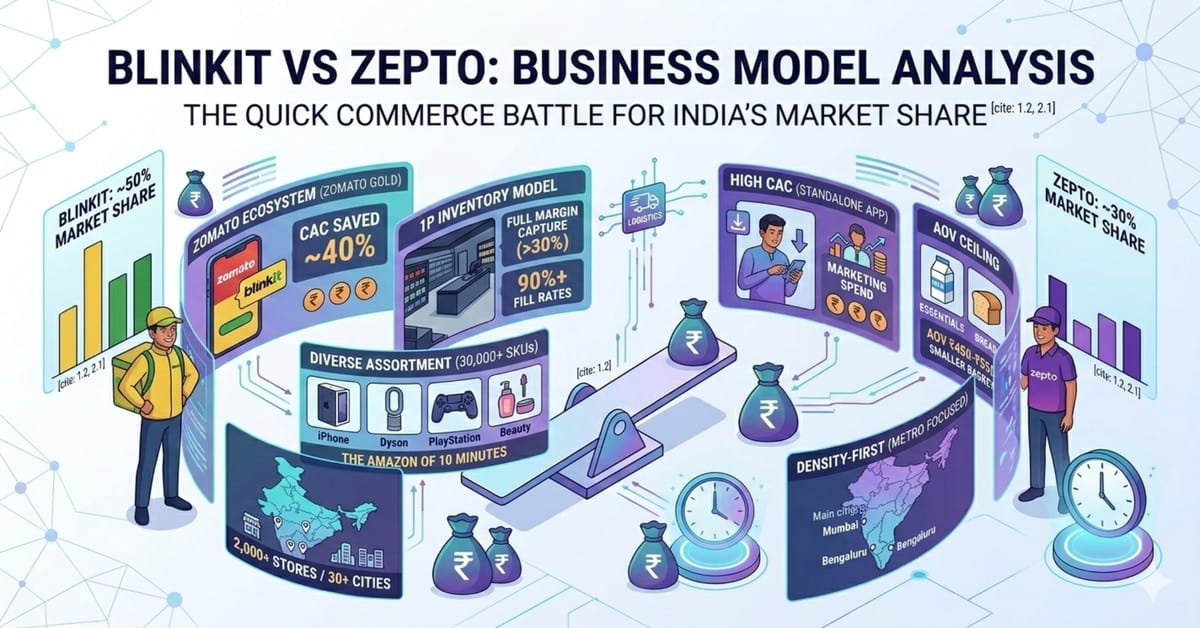
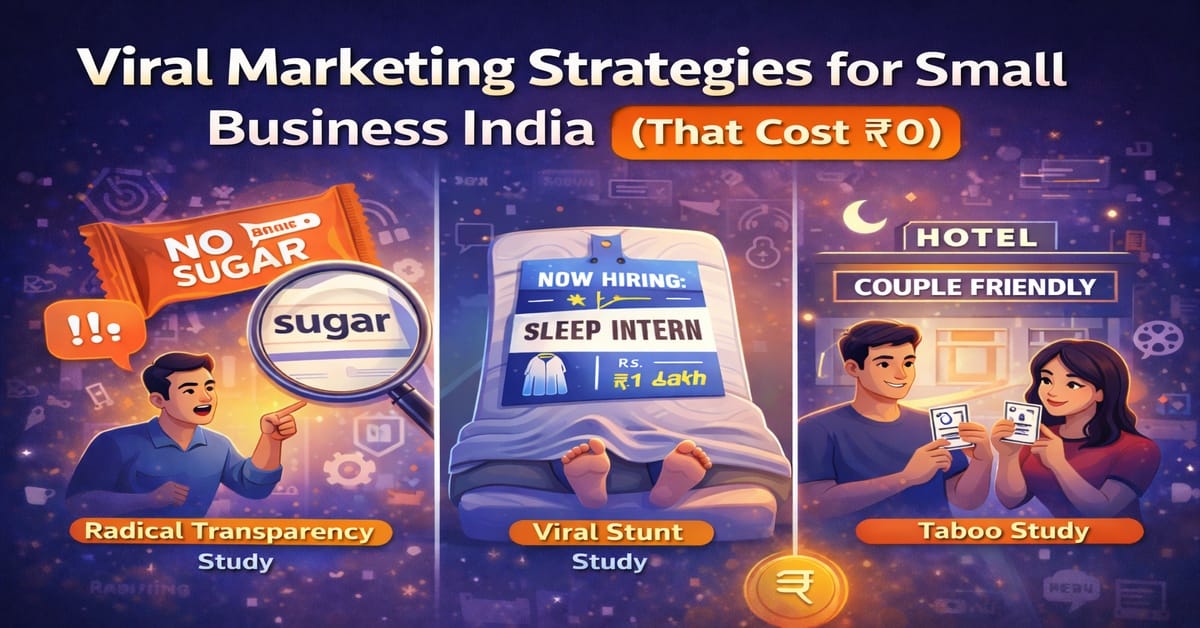
Real-world marketing campaigns, like Zomato’s viral strategies, show how creative marketing can drive massive business growth. Understanding these tactics helps you think like a marketer.
Want to see how top brands create viral campaigns? Check out our breakdown of Zomato’s marketing strategy and why its campaigns keep going viral.
✅ How to Start Learning Sales & Marketing Skills
For Sales:
- Week 1-2: Read foundational books—”How to Win Friends and Influence People” by Dale Carnegie.
- Week 3-4: Practice active listening and asking good questions in everyday conversations.
- Month 2: Learn sales frameworks—SPIN Selling, consultative selling basics.
- Month 3: Get a part-time or entry-level sales role to practice real conversations and closing.
For Digital Marketing:
- Week 1-2: Learn marketing basics—understand customer journey, conversion, engagement.
- Week 3-4: Take free courses—Google Digital Garage, Meta Blueprint, HubSpot Academy.
- Month 2: Choose one channel—Google Ads, Meta Ads, or SEO, and go deep.
- Month 3: Run a small campaign (even with ₹500-1000 of your own money) to understand practically.
Free Resources:
- YouTube: Grant Cardone (sales), Ben Heath (Meta Ads), Surfside PPC (Google Ads)
- Google Digital Garage (free certification)
- Meta Blueprint (free certification)
- HubSpot Academy (free marketing courses)
Paid Options:
- Udemy sales & marketing courses
- LinkedIn Learning
- DigitalMarketer courses
⏱️ Time to Job-Ready: 1-3 months
💰 Entry Level: Often includes incentives and commissions
🎯 Best For: People persons, communicators, entrepreneurs
How to Choose the Right Skill for Yourself
Now the question is:
Which one should you pick?
Here is a simple way to decide:
✅ If you like technology and future trends → AI Skills
✅ If you like safety, protection, and IT systems → Cyber Security
✅ If you want stable and respected jobs → Nursing/Paramedical
✅ If you want quick job-oriented learning → Diploma/Technical
✅ If you are good at communication and people → Sales/Marketing
Don’t choose what sounds good.
Choose what you can actually learn and do consistently.
And if your goal is better growth and better earning in the coming time, then focus on skills to learn in 2026 for high salary—meaning skills where demand is rising and companies value trained people.
What Mistakes People Make While Learning Skills
Many people start learning skills but still don’t get results.
Because they do these mistakes:
1) They only watch videos, but don’t practice
Watching is easy. Practice builds skill.
2) They don’t build proof of work
Even small projects matter.
3) They jump between too many things
They start AI today, marketing tomorrow, then coding next week.
4) They stop too early
Skills take time.
5) They don’t apply for internships or entry roles
You don’t need perfect preparation to start.
Common Questions
What are the top skills to learn in 2026?
The 5 most valuable skills are AI, Cyber Security, Healthcare (Nursing/Paramedical), Technical Diplomas, and Sales & Marketing. These fields are experiencing the highest job growth and offer strong career opportunities across industries.
Can I learn these skills without a degree?
Yes. All 5 skills can be learned through online courses, certifications, and practical experience. Companies today prioritize your ability to do the work over formal qualifications. Focus on building a portfolio and gaining hands-on experience.
How long does it take to become job-ready?
Most skills take 2-6 months with consistent practice. Sales and AI can be learned faster (2-3 months), while cybersecurity and healthcare may need 4-6 months plus certifications. Technical diplomas can take anywhere from 6 to 24 months, depending on the program.
Final Thoughts: Skills Create Opportunities
The biggest career shift happening today is simple:
Degree is not enough. Skills are important.
If you build even one good skill, your chances of getting hired increase.
And the best part is:
You don’t have to be perfect. You just need to start and stay consistent.
So whether you’re a student, fresher, or job seeker, pick one of these top skills to learn in 2026 from this list and work on it seriously for 60 days.
Because the right skill can change your career.
Quick Summary (Key Takeaways)
- These top skills to learn in 2026 offer high-demand career opportunities without requiring a degree
- Companies hire for skills, not just degrees
- AI, cybersecurity, healthcare, technical diplomas, and sales/marketing are growing fast
- Each field has beginner job roles
- Skill-building requires practice and proof of work
- Choose based on your interest and strength, not hype
- Most skills can be learned in 2-6 months with consistency



2 thoughts on “Top Skills to Learn in 2026 (High Demand + High Paying Career Skills)”