
Every February, I watch the internet flood with the exact same complaints. People argue that the middle class got ignored, debate the pros and cons of the new tax slabs, and obsess over saving a few thousand rupees.
But while the masses are distracted by minor tax changes, smart founders are looking at the big picture: the macro-level cash flow. The government is preparing to spend a massive ₹53.5 lakh crore in the upcoming fiscal year.
If you are looking for real India budget 2026 business opportunities, you won’t find them in your personal tax returns. You will find them by tracking exactly where this money is flowing.
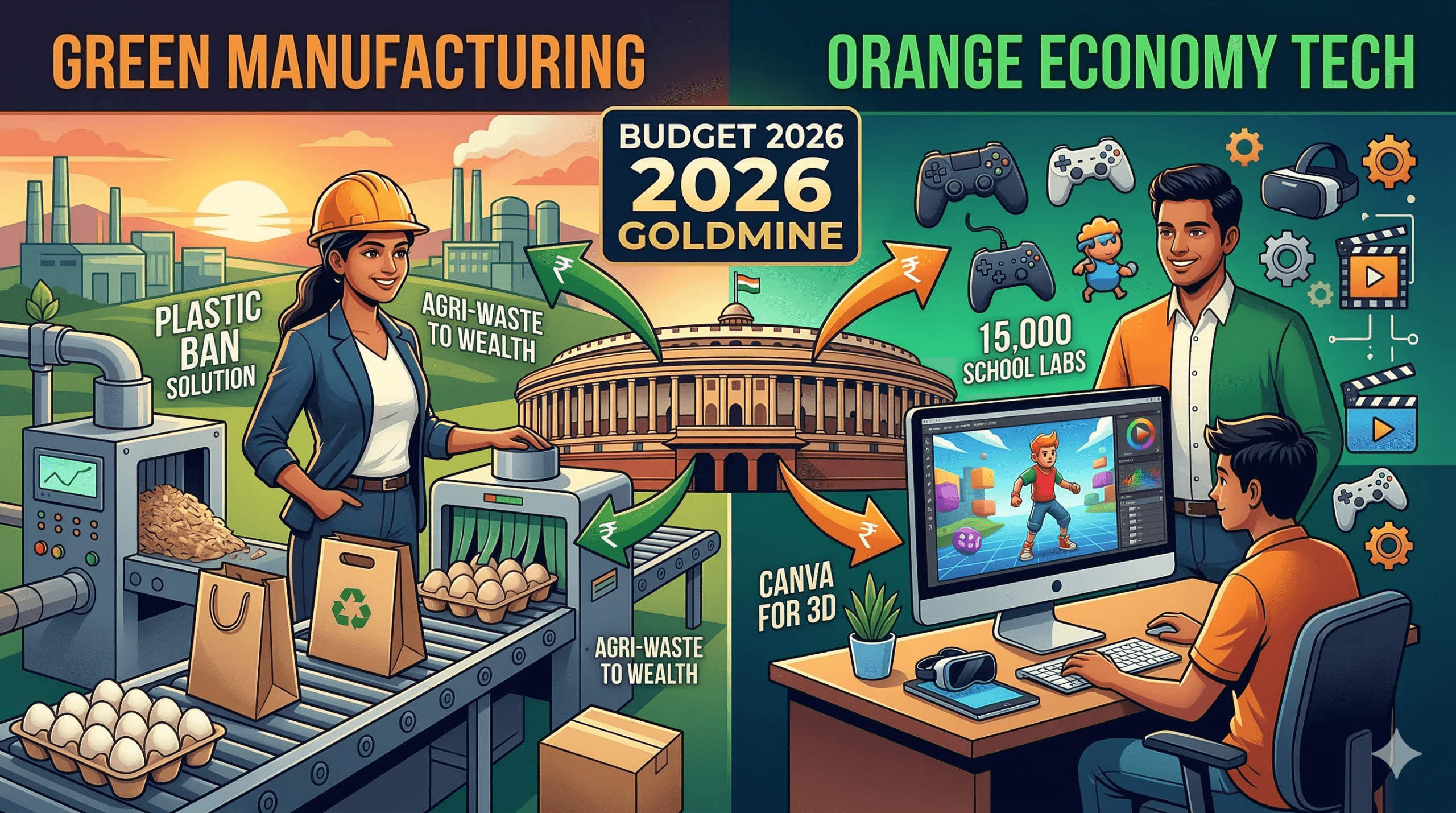
The era where you could just import cheap Chinese products, white-label them, and sell them in the Indian market is officially over. The government is pouring billions into domestic manufacturing, creative education, and small business support. The ultimate goal is to end our dependency on imports and transform India into a global export hub.
Whether you are a seasoned tech founder or a brand-new entrepreneur looking for your first profitable venture, here is a BS-free breakdown of where the cash is moving and exactly what India budget 2026 business opportunities you can grab today.
Table of Contents
Category 1: The New-Age Manufacturing Boom
When people hear the word “manufacturing,” they usually picture billion-dollar car factories and steel plants. But the Union Budget 2026-27 is heavily subsidizing everyday consumables and localized supply chains. Under the manufacturing umbrella, here are three highly accessible India budget 2026 business opportunities for everyday entrepreneurs.
1. The Plastic Ban Goldmine: Eco-Friendly Packaging
I have seen this trend very closely, and if you pay attention to the market, you will probably agree with me. Because I actually work in the packaging industry, I have watched this explosion happen from the inside.
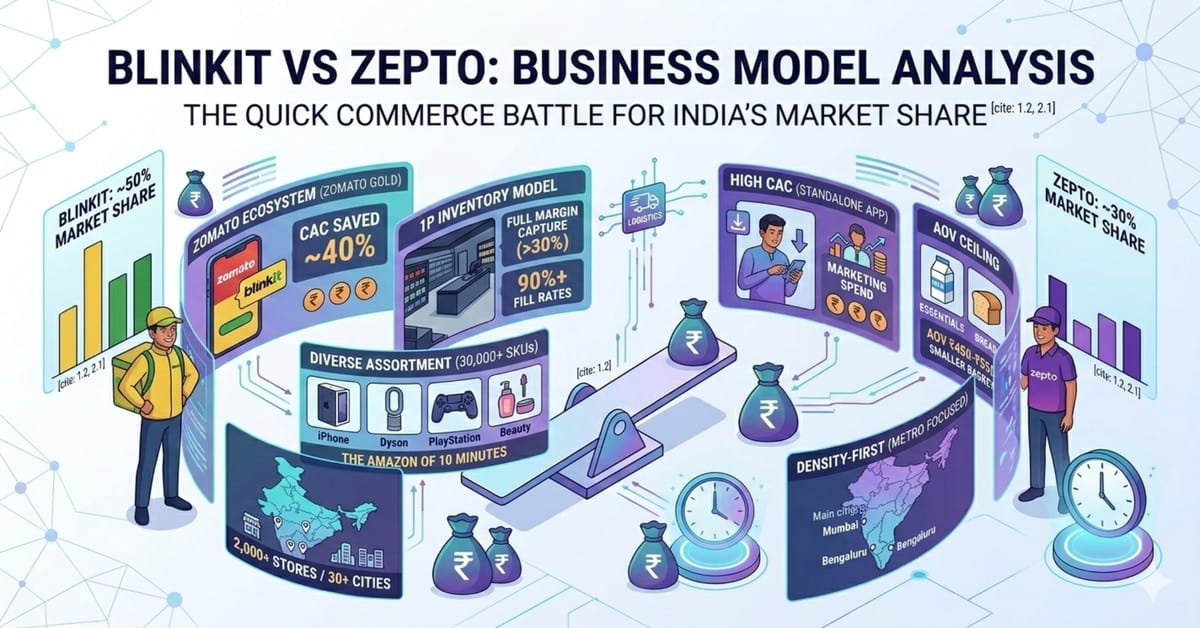
Look at the massive shift to “online everything.” Quick commerce giants like Blinkit and Zepto, along with massive marketplaces like Amazon, are delivering millions of orders every single day. For every single small grocery item or gadget they deliver, they need packaging.
Now, with the government declaring an absolute war on single-use plastics and enforcing strict compliance, these companies are desperately introducing paper bag packaging at a massive scale. This specific shift makes B2B packaging one of the most lucrative India budget 2026 business opportunities for anyone willing to step up.
- The Business Model: Start a small-scale manufacturing unit dedicated to eco-friendly B2B packaging. We are talking about simple, high-demand, high-volume items. Think heavy-duty brown paper delivery bags, molded fiber trays (like the ones used for eggs or cup holders), and biodegradable e-commerce mailers.
- The Execution Plan: Finding clients in this space is much easier than launching a consumer product. You do not have to spend thousands on Facebook ads to convince individual retail customers to buy from you. Instead, you target local businesses. Reach out to local sellers who list their products on Amazon and Flipkart, or approach busy restaurant owners who dominate Zomato in your city.
- The Unit Economics: Go to these vendors, show them your high-quality, government-compliant paper packaging samples, and secure a bulk order. Once a seller sees that their items ship safely and they don’t face government fines for using plastic, they will reorder from you every single month. It is a highly stable, recurring revenue business that forms the backbone of the domestic supply chain.
2. The “Kachra to Cash” Model: Agri-Waste Value
For decades, agricultural waste like rice husk, coconut shells, dry leaves, and banana stems were considered useless garbage. Farmers would just burn them, creating massive pollution problems across North India every winter.
The government is done allowing this. They no longer want agriculture to end at the harvest. The budget is heavily funding MSME initiatives to turn this literal trash into wealth.
- The Business Model: Start a localized processing unit that converts agricultural waste into sellable commercial products. With the right basic machinery, you can turn coconut shells and rice husk into bio-fuels (briquettes), high-quality organic fertilizers, or even alternative fiber packaging materials.
- The Execution Plan: The biggest headache in any manufacturing business is the cost of raw materials. Your profit margins are usually dictated by how cheaply you can source your inputs. In this industry, your raw material is farm waste. It is incredibly cheap. In many cases, farmers will happily give it to you for free, or even pay you a tiny fee to haul it away so they don’t have to deal with disposal.
- The Unit Economics: You take a raw material that costs practically nothing, process it using government-subsidized machinery, and sell the resulting biofuel to local factories that need to fire their furnaces. Taking something with zero value and giving it commercial value makes this one of the most profitable India budget 2026 business opportunities in rural and semi-urban areas.
3. The Potato-to-Chips Strategy: Starting a Packaged Food Brand
Let’s talk about the reality of agriculture. If you grow potatoes and sell them raw in a local mandi (market), you will make pennies. You are fighting in a commodity market with razor-thin margins.
But, if you take those exact same potatoes, slice them, fry them, put them in a beautifully branded packet with a catchy name, and sell them as chips, your profit margins skyrocket. This is called value addition.
- The Business Model: Launch a packaged food brand. Instead of trading raw spices, fruits, or grains, you process them. You can build a brand around dehydrated fruits, ready-to-cook healthy meal mixes, premium organic spice powders, or roasted millet snacks.
- The Execution Plan: The government desperately wants to promote processed and packaged foods over raw material selling because it creates jobs and extends the shelf life of Indian produce. You can start this business right from your home kitchen to test your recipes and find your product-market fit. Build a beautiful brand identity on Instagram and start selling directly to consumers (D2C).
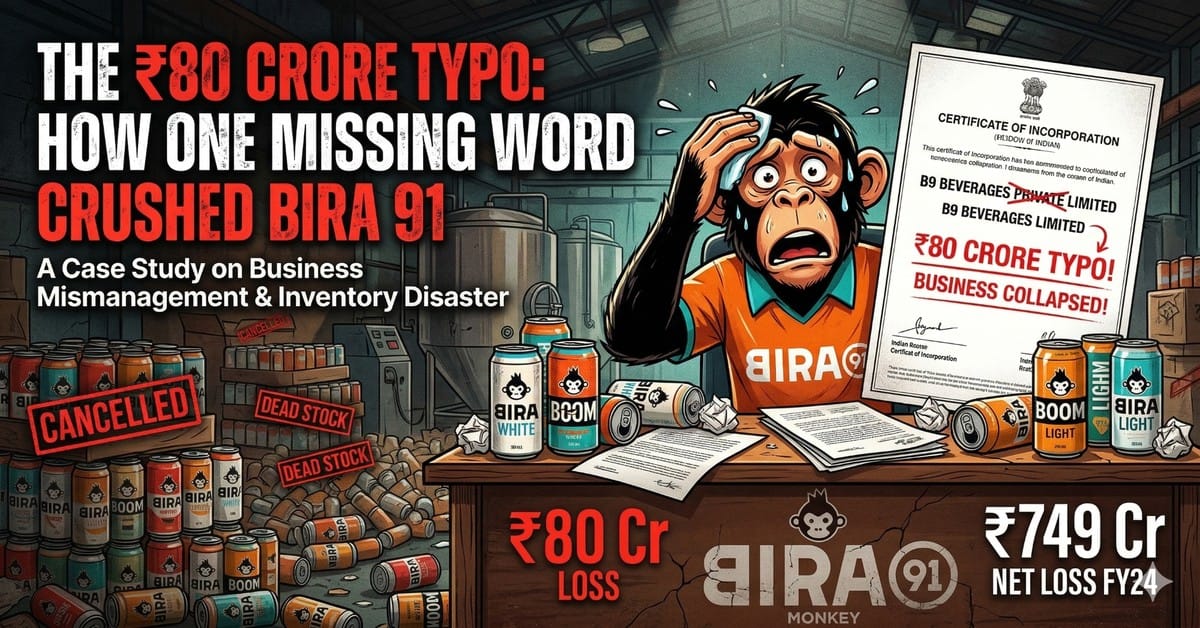
- The Unit Economics: Once you have a loyal customer base, you can tap into heavy government subsidies designed specifically for food processing units to buy automated machinery and scale up. Just make sure your legal paperwork and compliance are absolutely flawless before you scale, or you might end up facing a massive inventory wipeout like we saw in the Bira 91 case study. If you want to capitalize on India budget 2026 business opportunities in the FMCG space, this is your entry point.
Category 2: The “Orange Economy” Tech & Education Rush
If physical manufacturing, machinery, and factory floors aren’t your style, do not worry. The government has opened a massive, multi-billion dollar door for the software and education sectors.
The recent budget allocated a huge amount of focus to what they are calling the “Orange Economy”—specifically the AVGC sector (Animation, Visual Effects, Gaming, and Comics). The government wants India to move beyond just basic IT support. They want us to be the global back-office for the gaming, film, and VFX industries.
To build this talent pipeline early, they are funding the physical infrastructure for AVGC computer labs in 15,000 schools across the country.
The government is great at buying computers and building physical rooms. But they have absolutely no idea how to actually teach a 15-year-old kid how to render a 3D environment or code a video game. This massive gap gives tech founders two of the best India budget 2026 business opportunities of the decade.
4. The “Canva for 3D” Strategy: Building School-Friendly Software
Here is the harsh reality of the Indian education system: Schools cannot afford to buy expensive, enterprise-level 3D rendering software licenses (like Maya or Unreal Engine) for hundreds of students. Even if they could afford the licenses, the standard desktop computers they procure for these labs are rarely powerful enough to run massive, heavy game engines without crashing.
- The Business Model: Build lightweight, browser-based SaaS (Software as a Service) tools designed specifically for students. We are talking about basic 3D modeling, simple animation frames, and drag-and-drop game design interfaces that can run smoothly on a cheap Google Chromebook or a basic Windows laptop. Think of it as building the “Canva” for 3D design.
- The Execution Plan: Stop trying to build the next massive consumer app and fighting global tech giants. Instead, build an affordable, highly-niched tool specifically designed for the Indian education system.
- The Unit Economics: You can sell cheap, bulk licenses directly to schools. A principal might not authorize a ₹1 lakh software purchase, but they will easily authorize a ₹5,000 annual subscription to ensure their new, government-mandated AVGC lab actually has usable software in it. Providing the tools for these labs is one of the most scalable India budget 2026 business opportunities for software developers today.
5. Stop Selling to Angry Parents: The B2B EdTech Pivot
You can put the fastest computers and the best browser-based software into a school lab, but it means absolutely nothing if the teacher standing at the front of the room doesn’t know how to animate. Most computer teachers in India teach basic Excel and HTML. They do not know how to teach visual effects. An empty lab with an untrained teacher is a massive liability for a school.
- The Business Model: If you are an EdTech founder, a gaming studio owner, or an animation expert, build a standardized, easy-to-teach AVGC curriculum. Create a productized service that includes daily lesson plans, video tutorials, grading rubrics, and interactive assignments.
- The Execution Plan: The Indian EdTech space is currently bleeding cash because customer acquisition costs (CAC) are too high. Stop trying to run expensive YouTube ads to sell coding classes directly to individual, skeptical parents. Pivot your entire business model to B2B (Business-to-Business) or B2G (Business-to-Government).
- The Unit Economics: You build the proprietary curriculum once, and you sell it directly to state education boards, private school franchises, or local districts. You can even add an upsell where you charge the schools a premium to digitally train their teachers on how to deliver your curriculum. Securing just one district-level contract is why B2G EdTech is among the top India budget 2026 business opportunities right now.
The Bottom Line
You do not need an MBA from a top-tier college or millions of dollars in venture capital to build a successful company this year. You just need to look at where the government is clearing the path and removing the friction.
The most realistic business opportunities are found by simply solving the exact problems the government is already throwing money at. Whether that means providing eco-friendly delivery boxes to local Amazon sellers, recycling farm waste into factory fuel, processing local food into a premium brand, or building the lightweight software for the next generation of Indian game designers.
Do not overcomplicate your path to revenue. Pick the category that fits your natural skills, research the demand in your local city, stop worrying about the tax slabs, and take your first step today.
Frequently Asked Questions (FAQs)
What are the easiest India budget 2026 business opportunities for beginners?
For new entrepreneurs, the best opportunities lie in the government’s push for domestic manufacturing. Starting a localized business in eco-friendly B2B packaging or value-added food processing requires much lower initial capital than building a massive tech startup.
What is the “Orange Economy” opportunity in the 2026 Budget?
The government is funding AVGC (Animation, Visual Effects, Gaming, and Comics) infrastructure in 15,000 school labs. This creates a highly profitable market for tech and EdTech founders to provide the lightweight 3D software and specific curriculums those schools will need to teach students.
Why is food processing a good business idea right now?
The government is funding AVGC (Animation, Visual Effects, Gaming, and Comics) infrastructure in 15,000 school labs. This creates a highly profitable market for tech and EdTech founders to provide the lightweight 3D software and specific curriculums those schools will need to teach students.
What exactly is the “Orange Economy” mentioned in the budget?
The “Orange Economy” refers to the creative and cultural tech industries. In the context of the 2026 budget, it specifically targets the AVGC sector (Animation, Visual Effects, Gaming, and Comics). The government is treating this as a serious tech frontier, heavily funding infrastructure—like 15,000 new school labs—to turn India into the world’s back-office for digital content creation, 3D modeling, and game design.
How do I find clients for these new manufacturing businesses?
The beauty of these India budget 2026 business opportunities is that you don’t need to spend a fortune marketing to thousands of individual consumers. For businesses like eco-friendly packaging or agri-waste processing, your target audience is localized B2B clients. You can directly approach local restaurant owners, factory procurement managers, or even Amazon and Flipkart sellers, offering them a reliable, government-compliant solution to secure recurring monthly orders.

1 thought on “5 Hidden India Budget 2026 Business Opportunities You Can Start Today”