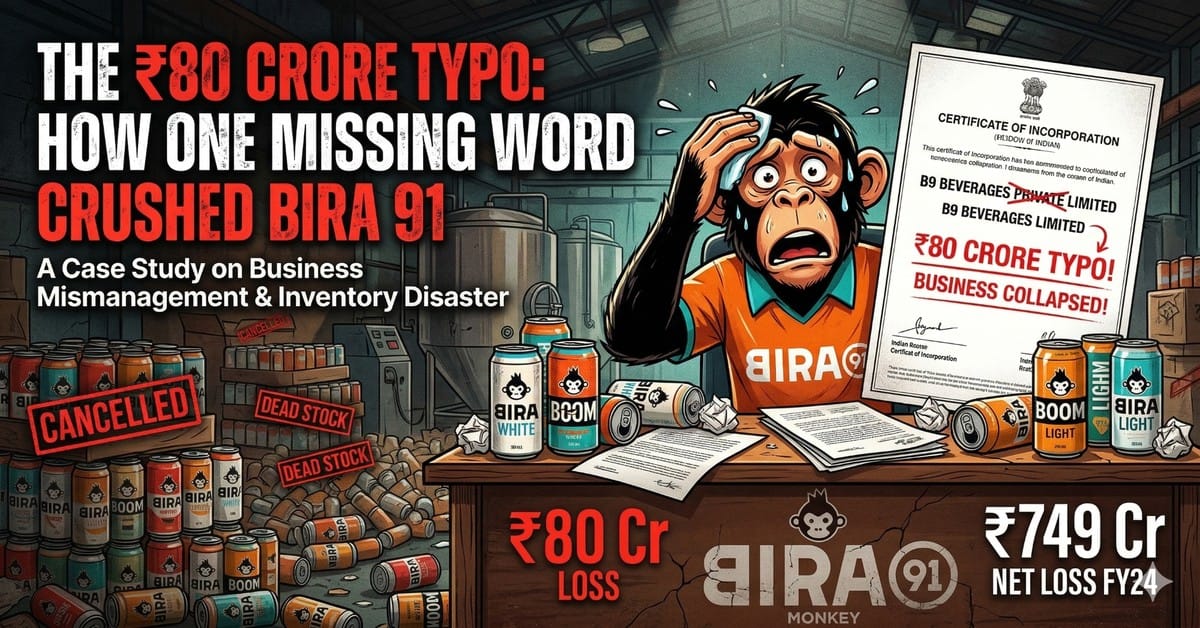
If I claimed that a company lost ₹80 crore simply by deleting one word on a legal document, you would probably declare me mad. I would have thought the same, but as this Bira 91 case study proves, it is the brutal reality of the Indian startup ecosystem.
Imagine running one of the hottest consumer brands in the country. It isn’t just loved by Gen-Z and younger millennials; this brand successfully dethroned a 40-year-old monopoly and built an ₹800 crore empire from scratch. The company is on top of the world and at the top of consumers’ minds, gearing up for a massive IPO.
And then, one single word gets deleted from the company name.
Almost overnight, the product is banned from the shelves in 27 states. The supply chain collapses, the peak summer sales season is completely missed, dead inventory builds up, and the year ends with a staggering net loss of ₹749 crore.
This is not just a story about a typo. This Bira 91 case study is the ultimate masterclass on what happens when a business lacks transition planning, and what happens when brilliant marketing collides with terrible operations.
Here is exactly how India’s coolest craft beer brand went from being seen everywhere to not being seen anywhere. Discover how this brand nearly wiped itself off the map, and learn the harsh inventory management and planning lessons every small business owner needs to apply today.
Table of Contents
Act 1: Killing the King(fisher)
To understand the severity of Bira’s fall, it is essential to know how brilliantly they climbed.
Let’s go back to 2015. The Indian beer market was practically a dictatorship. You saw Kingfisher in every hand and on every shelf of every shop. Kingfisher ruled the market, doing ₹4,692 crore in revenue, followed closely by SABMiller.
The market had one unspoken rule: Beer had to be strong, highly carbonated, and bitter.
Then came Bira 91. They looked closely and found three massive gaps in this market:
- The Taste Gap: Through their market research, Bira 91 found that many young Indians actually hated the bitter taste of traditional beer and the harsh alcohol bite in the throat. To capture this gap, they introduced Bira White, a craft wheat beer with notes of citrus and coriander, and Bira Boom, which used caramel notes to hide the bitter taste. It was sweet, smooth, and refreshing.
- The Visual Disruption: While legacy beer brands were using dark brown and green bottles that gave off an “uncle brand” vibe, Bira 91 introduced quirky designs with bright, artistic packaging. Holding a Bira became a fashion statement, generating the kind of organic, word-of-mouth brand recall we typically only see when analyzing the Zomato marketing strategy.
- The Pricing Gap: Bira 91 found the perfect pricing sweet spot. Commercial beers like Kingfisher cost ₹100, while imported craft beers cost ₹400. Bira positioned itself right in the middle at ₹120 to ₹220. It was an accessible price with a premium, international feel.
Bira 91 won with a great product and brilliant marketing, proving that you can disrupt legacy giants by leveraging highly creative, zero cost marketing strategies before you ever need massive ad budgets. But as I mentioned earlier, there were terrible operational flaws hiding beneath the surface.
Let’s talk about those first, because to fully understand this Bira 91 case study, you have to see how these operational flaws built a kaccha (weak) foundation.
Act 2: The 4 Structural Flaws
Most news articles claim that a simple name change killed Bira. But I think that is only half the truth. That name change acted like a match, bringing these existing structural flaws to everyone’s attention.
The most shocking part of this Bira 91 case study is that before the paperwork disaster ever happened, the company was already bleeding cash due to four massive traps of business mismanagement:
- The Manufacturing Trap: Expecting insane demand, Bira went to third-party manufacturers and rented their manufacturing units through fixed-cost contract brewing, instead of negotiating a pay-per-bottle deal. The problem? They were only utilizing 20% to 25% of the factory capacity. Because of the fixed contracts, they had to pay for 100% of the space anyway.
- The Global Ambition Trap: Instead of securing a true monopoly in the domestic Indian market first, they went international way too early, aggressively expanding to the US, UK, Belgium, and Vietnam.
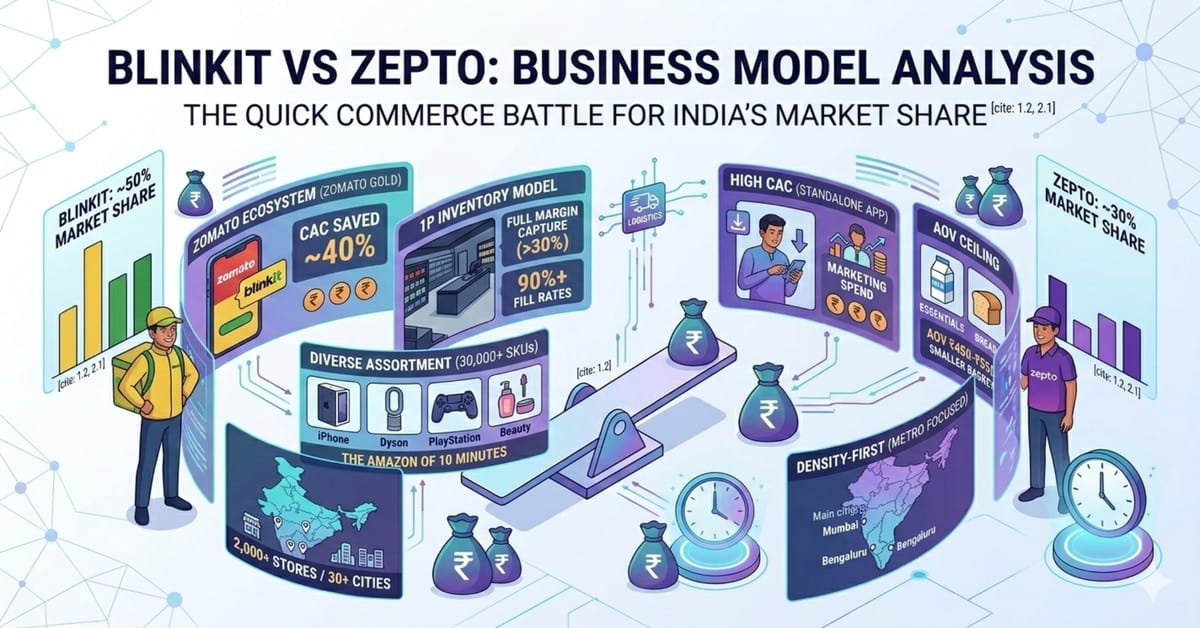
- The Mass Market Trap: Bira started as a premium, high-margin craft beer with a unique, loyal customer base. But they decided to go neck-to-neck with Kingfisher on their home turf. Kingfisher was a mass-market brand where margins are razor-thin, and volume is everything—a brutal reality of unit economics we also saw in the Blinkit vs Zepto business model war.. Fighting a 40-year-old legacy brand without bleeding cash is impossible.
- The Cash Burn: They hired aggressively from top colleges at massive salaries, ran desperate “Buy 2 Get 1 Free” schemes for distributors, and completely mismanaged their cash flow.
By the time 2023 rolled around, they were already sitting on a puddle of gasoline. All they needed was a spark.
Act 3: The ₹80 Crore TYPO
The most shocking turning point in this Bira 91 case study revolves around a desperate bid for more funding. Bira’s investor count crossed 200. Under the Indian Companies Act, a “Private Limited” company cannot exceed 200 shareholders.
Bira 91’s parent company was named B9 Beverages Private Limited. To keep raising money and push for an IPO, converting to a public company was mandatory. So, Bira 91 legally changed its parent company name to B9 Beverages Limited.
In India, alcohol is a state subject. When Bira dropped the word “Private” centrally in Delhi, all 27 state governments immediately treated them as a brand-new, unregistered company. The old company, on paper, no longer existed. Every single manufacturing license and distribution permit they had obtained was instantly invalidated.
The Chosen Weather (The Summer Nightmare)
To make matters even worse, the Bira name change incident happened at the peak of the Indian summer season—the only time of year beverage companies actually make their real profits. This paperwork took 6 months to fix, triggering a catastrophic chain of events:
- The Inventory Wipeout: Because the labels on millions of Bira bottles still read “Private Limited,” the government blocked the sales. A staggering ₹80 crore worth of premium beer sat rotting in warehouses.
- The Financial Collapse: Sales dropped by 20%. Net losses for the year climbed to an unbelievable ₹749 crore. Total liabilities rocketed to between ₹1,000 crore and ₹1,500 crore.
- The Market Share Theft: While Bira 91’s hands were tied by paperwork, competitors like Simba and BeeYoung swooped in and happily stole the empty shelf space.
The Action Plan: Business Lessons from Bira 91
You might not be preparing for an IPO anytime soon. But mismanagement at any level of business can put your entire company at risk. Here is how you can avoid the traps highlighted in this Bira 91 case study:
1. Before Scaling, Look at What is Failing
As this Bira 91 case study proves, scaling comes with a cost; if you are a startup, it comes with huge hidden costs. When you prepare to scale, look closely at what might break. It may be your profit margins, your inventory management, or your core business operations. Plan everything in advance and always keep a backup plan ready before making a massive transition.
2. Rules & Regulations are Supreme
Every business and every transaction is under the eye of the government. Whether you are running a small local shop or a massive tech startup, government rules and regulations are supreme. Adhere to these compliance rules from the very beginning. Brilliant marketing will never save you from bad compliance.
3. Cash-Flow is King
Every business’s lifeline is regular cash flow. Startups often secure this cash flow in the form of investments from numerous venture capitalists playing the valuation game. But for a small, everyday business, this type of investor cash flow is rarely accessible. You must make sure you have everything in place—sales, marketing, solid contracts, and reliable clients—so that your business generates its own regular and positive cash flow to survive the tough months.
Frequently Asked Questions (FAQs)
What is the main lesson from the Bira 91 case study? The biggest takeaway is that brilliant marketing cannot fix terrible operations. The company built an incredible brand but failed due to supply chain mismanagement, fixed-cost manufacturing traps, and poor legal compliance planning during their transition to B9 Beverages Limited.
How did Bira 91 lose ₹80 crore in inventory? When Bira dropped the word “Private” from their legal name to prepare for an IPO, state governments invalidated their old licenses. Because their physical inventory still had labels reading “Private Limited,” they were legally blocked from selling it, resulting in ₹80 crore worth of dead stock.
Why is the Bira 91 case study important for small businesses? It serves as a massive warning for founders. It proves that regardless of how cool your product is or how much funding you have, failing to manage your cash flow, inventory, and government compliance will eventually put your entire business at risk.